The history of the Club
Founded in 1942, the 1916–1921 Club brought former Civil War opponents together in the comradeship of the revolutionary years.
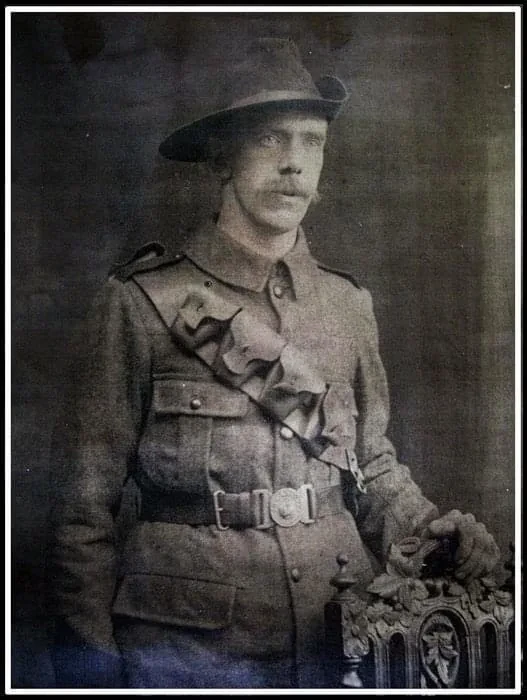
Thomas Gay (1884–1953) and five others met on 7 December 1942 to establish the 1916–1921 Club for former members of the Irish Republican Army and related organisations active during 1916–1921. They wanted to bring together people divided by the Civil War and restore the comradeship of the Irish Volunteers during the Easter Rising and the subsequent struggle for independence, including the fight against the Black and Tans.
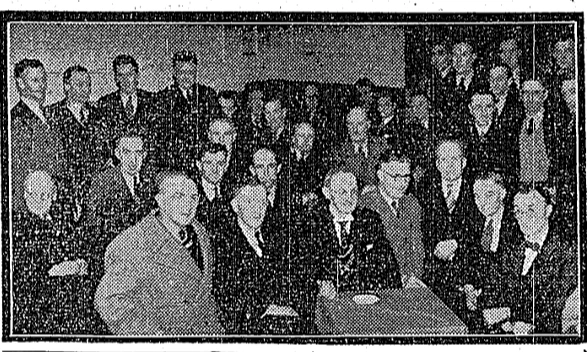
The founders were especially keen to reach former comrades who had, for various reasons, lost touch with the ideals and associations that had once meant so much to them. Tommy Gay became the Club’s first Honorary Secretary and remained in that role until his death on 2 January 1953.
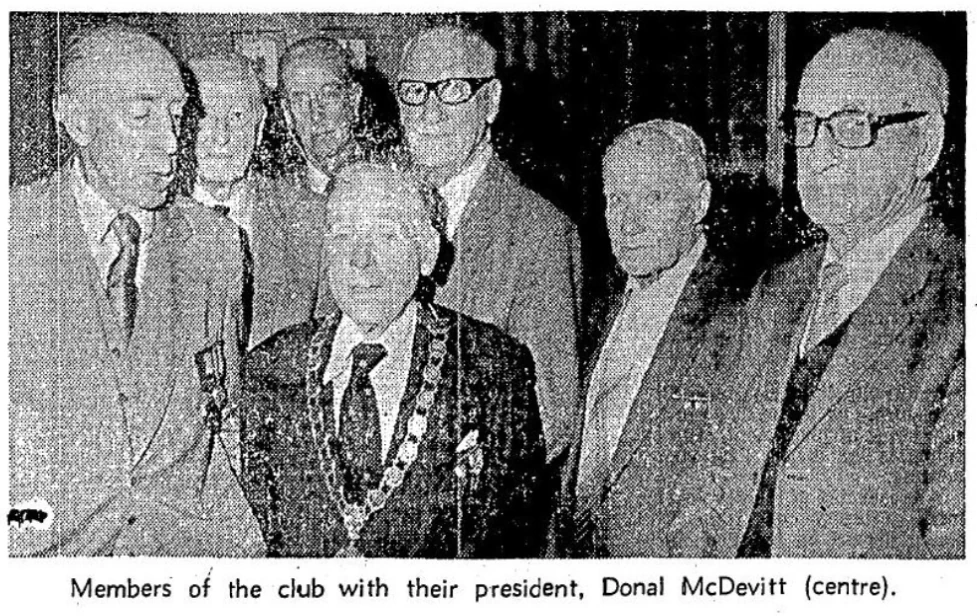
M.W. O’Reilly was the Club’s first President. He took office in 1945 and served for ten years. His successor was Seán McGarry, who had been Tom Clarke’s bodyguard in 1916. At Christmas 1957, Jack O’Sheehan presented the presidential chain, which has been worn on ceremonial occasions ever since.
In 1983, the Association of the Old Dublin Brigade, Óglaigh na hÉireann, was incorporated into the Club as its membership declined. The association had been open to surviving veterans of the War of Independence. The Club has no affiliation to any religious denomination or political organisation. It became a company limited by guarantee on 6 October 1986.
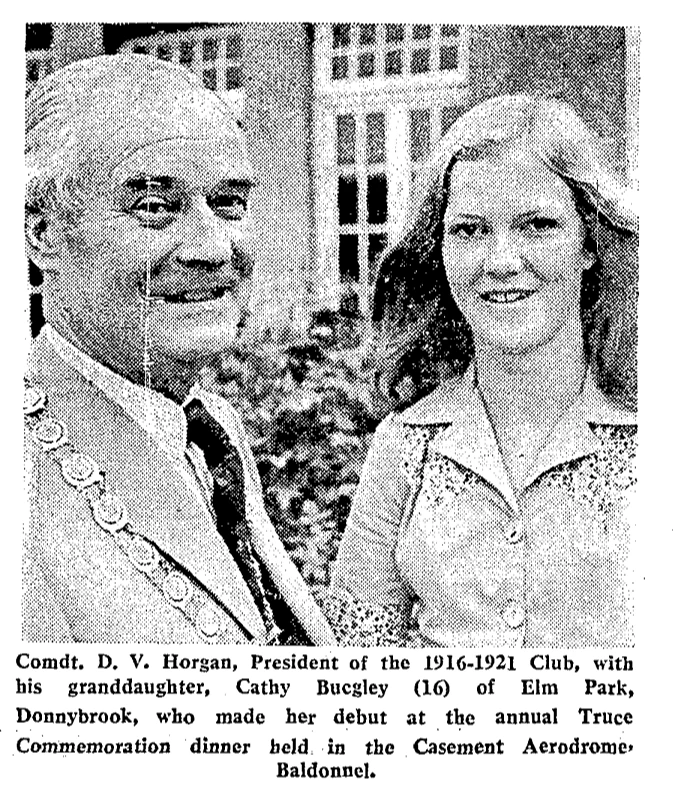
Many retired Defence Forces officers have held the presidency, among them General Sean MacEoin, General Michael J. Costello, General Jack Gallagher, Colonel Dan Bryan, Commandant D.V. Horgan and Captain James Kelly. Other presidents include the author T.P. O’Neill; Easter Rising veteran Martin Walton; revolutionary, statesman and human rights campaigner Seán MacBride, a recipient of both the Nobel and Lenin peace prizes; Colonel Éamon ‘Ned’ Broy; Seán Kavanagh; and Vinny Byrne. Máire Uí Nualláin and Nora Comiskey are the two women who have served as President.
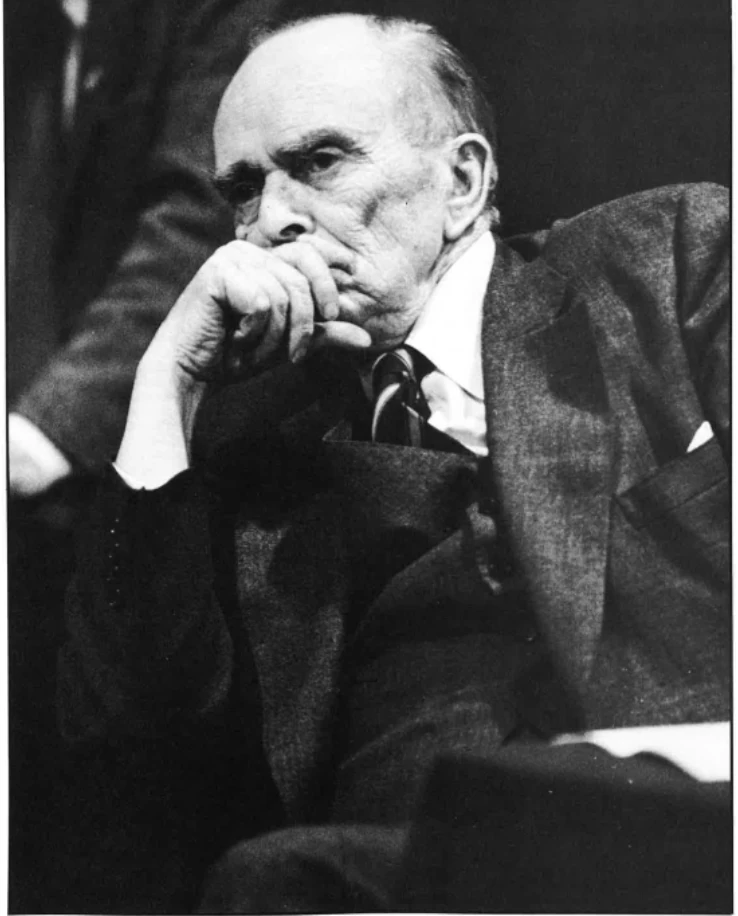
Jim Doyle was elected President in 2016 and served for ten years. Jack Traynor succeeded him following his election at the annual general meeting on 24 October 2026.
The Club has also supported charitable work and contributed to memorials around Ireland commemorating people and events associated with the struggle for Irish freedom. Each year, its Easter Rising commemoration at Arbour Hill includes a wreath laying and an oration by a prominent local or national figure. Derek Warfield delivered the 2025 oration and was elected to the Club’s Committee in October 2026.
Dates in the Club’s story
- 1942
Thomas Gay and five others establish the Club on 7 December.
- 1957
Jack O’Sheehan presents the presidential chain of office.
- 1983
The Association of the Old Dublin Brigade is incorporated into the Club.
- 1986
The Club becomes a company limited by guarantee on 6 October.
- 2017
The annual Roger Casement commemoration begins at Glasnevin.